
Use of point-of-care sonography by emergency physicians
May 2015
Written by the CAEP Ultrasound Position Statement Working Group (A Subcommittee of the CAEP Ultrasound Committee): Ryan J. Henneberry, BSc, MD, CCFP(EM), RDMS, Chair; Amanda Hanson, MD, FRCPC, Past Chair; Andrew Healey, MD, RDCS, RDMS, FRCPC (EM, CCM); Guy Hebert, MD, FRCPC; Urbain Ip, MD, ABEM, FACEP; Mark Mensour, MD, CCFP(EM); Pierre Mikhail, CCFP(EM), RDMS; Steve Miller, BSc, MD, CCFP(EM), FCFP; Steve Socransky, MD, FRCPC; Michael Woo, MD, CCFP(EM), RDMS
Executive Summary
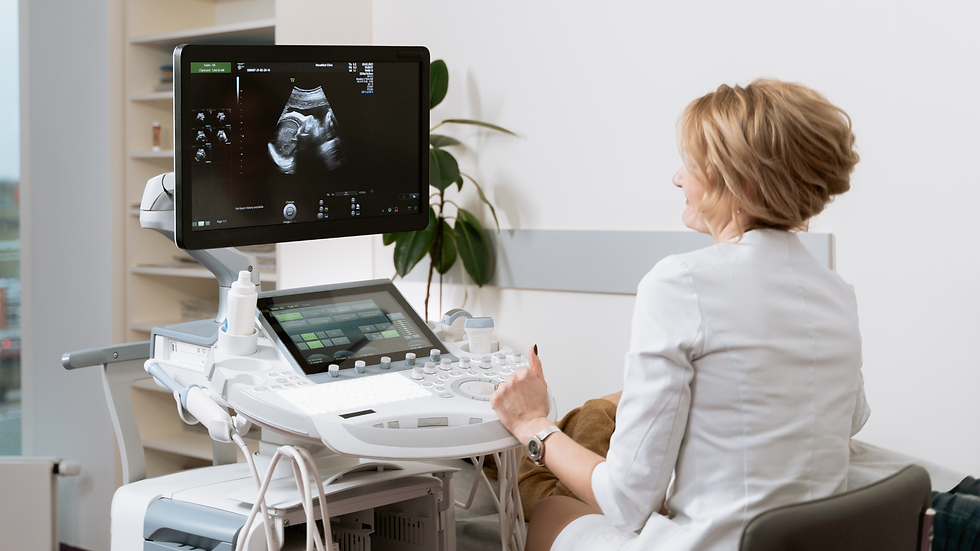
Point of care sonography by emergency physicians in the emergency department can be an effective aid in the diagnosis and management of patients presenting with a variety of medical and traumatic conditions. Its use can improve patient outcomes, enhance patient safety, speed patient disposition and save lives.¹⁻⁹ CAEP supports the use of point of care sonography.
Current Policy
The CAEP Position Statement on Ultrasound in the Emergency Department was last published in May of 2006.¹⁰ Since that time, the use of point of care sonography in Canada and around the world has increased dramatically, with newer applications identified and supporting evidence being published at an ever-increasing rate.
Introduction
The use of point of care sonography in the emergency department has expanded substantially in the last three decades. It has become a routine and integral part of care provided by emergency physicians not only in Canada, but in many other countries as well. Moreover, emergency medicine training programs now incorporate point of care sonography training. This position statement serves as an update on CAEP’s previous recommendations with regards to the use of point of care sonography in Canada. Furthermore, CAEP acknowledges that emergency medicine and point of care sonography are continually evolving and that any recommendation in this position statement may not accurately reflect current practice.
Recommendations
Availability
Emergency departments choosing to utilize point of care sonography should strive to have sonographic evaluation by emergency physicians trained in its use available 24 hours a day.
Resources
In emergency departments choosing to utilize point of care sonography, equipment should be immediately available in the emergency department and possess appropriate functionality and quality for sonographic evaluations.
Scope of Practice
The use of point of care sonography by appropriately trained emergency physicians is within their scope of practice. Sonography can be used in—but is not limited to—the clinical situations listed below. When using sonography as a diagnostic tool, the clinician should be attempting to answer a specific predetermined question.
Basic Applications
Cardiac arrest⁹⁻¹²
Assessing for pericardial effusion⁹,¹³⁻¹⁶
Thoracoabdominal trauma³,¹⁷⁻²⁰
Early pregnancy⁴,⁶⁻⁸,²¹⁻²³
Abdominal aortic aneurysm²⁴,²⁵
Central vascular access²,²⁶⁻³⁸
Advanced Applications
Evaluation of left ventricular function³⁹⁻⁴²
Volume depletion⁴³⁻⁴⁵
Jugular venous distention⁴⁶,⁴⁷
Undifferentiated hypotension, shortness of breath, chest pain¹³,⁴⁸,⁴⁹
Gallbladder disease⁵⁰⁻⁶⁰
Hydronephrosis, bladder volume⁶¹⁻⁶⁶
DVT⁶⁷⁻⁷¹
Thoracic pathology (pneumothorax, pleural effusion)⁷²⁻⁸³
Ocular pathology and elevated intraocular pressure⁸⁴⁻⁹⁰
Testicular pain⁹¹,⁹²
Joint effusion and tendon rupture⁹³,⁹⁴
Peripheral vascular access⁹⁵,⁹⁶
Procedures that benefit from the assistance of ultrasound:
Thoracentesis⁹⁷⁻¹⁰⁴
Paracentesis¹⁰⁵⁻¹⁰⁷
Pericardiocentesis¹⁰⁸⁻¹¹⁰, lumbar puncture¹¹¹
Cutaneous¹¹²,¹¹³ and peritonsillar abscess¹¹⁴ drainage
Foreign body removal¹¹⁵⁻¹¹⁷
Pediatric bladder catheterization¹¹⁸
Joint aspiration⁸⁰,⁸¹
Temporary pacemaker placement¹¹⁹
Regional anesthesia¹²⁰
Confirmation of endotracheal tube placement¹²¹
Training
Emergency physicians should possess appropriate training (including hands-on experience) in image acquisition and interpretation, indications for imaging, and limitations of point of care sonographic imaging. Specific training requirements should be established and monitored by emergency departments based on available evidence¹⁹,²⁰,¹²²⁻¹²⁵ and accepted standards suggested by experts in the discipline.¹²⁶⁻¹²⁸ The Royal College of Physicians and Surgeons of Canada and the Canadian College of Family Physicians have both recognized point of care sonography as a key skill in the practice of Emergency Medicine and have incorporated it into their most recent Objectives of Training. Training of practicing emergency physicians can be obtained through a number of established courses and training pathways offered across Canada and North America. Numerous excellent textbooks are also available for self-study.¹²⁹⁻¹³¹
Leadership
Local leaders should be designated and responsible for development and maintenance of the emergency ultrasound program.
Self-Governance
Emergency departments should adopt specific guidelines for the use of point of care sonography. These guidelines should address, but not be limited to, equipment maintenance, documentation, training, quality assurance, and program oversight.
Documentation
Point of care sonographic findings should be documented in writing.
Image capture may be used for quality improvement but is not mandatory.
Documentation should only include findings relevant to the specific indication for the scan.
Scans that are indeterminate should be so documented and not used in clinical decision-making.
Quality Improvement
A strong quality improvement program is integral to the safe practice of emergency department point of care sonography and should be incorporated into the overall emergency department quality improvement program.¹²⁸
Continuing Medical Education
Continuing education and experience in point of care sonography is strongly encouraged.¹²⁸
Research
Research in the field of point of care sonography is strongly encouraged.
Conclusions
Within the practice of emergency medicine, the use of point of care sonography by emergency physicians in the emergency department is an effective aid in the management of patients presenting with any one of a variety of medical and traumatic conditions. The practice of point of care sonography in Canada continues to evolve and expand, and builds on a proven history in other countries. It is well acknowledged that point of care sonography is different from the sonographic imaging performed in the radiology department by technologists and radiologists. It is not meant to alter the established indications for, or replace the use of, comprehensive diagnostic imaging studies performed by Diagnostic Imaging.
References
Bassler, D, Snoey, ER, Kim, J. Goal-directed abdominal ultrasonography: impact on real-time decision making in the emergency department. J Emerg Med 2003;24:375–8, doi:10.1016/S0736-4679(03)00032-5. Google Scholar
Making health care safer: a critical analysis of patient safety practices. Prepared for: Agency for Healthcare Research and Quality. Prepared by: University of California at San Francisco (UCSF)—Stanford University Evidence-based Practice Center. Available at: http://www.ahrq.gov (accessed January 2009). Google Scholar
Blaivas, M, Sierzenski, P, Theodoro, D. Significant hemoperitoneum in blunt trauma victims with normal vital signs and clinical examination. Am J Emerg Med 2002;20:218–21, doi:10.1053/ajem.2002.32637. Google Scholar
Burgher, SW, Tandy, TK, Dawdy, MR. Transvaginal ultrasonography by emergency physicians decreases patient time in the emergency department. Acad Emerg Med 1998;5: 802–7, doi:10.1111/j.1553-2712.1998.tb02507.x. CrossRef Google Scholar PubMed
Durham, B. Emergency medicine physicians saving time with ultrasound. Am J Emerg Med 1996;14:309–13, doi:10.1016/S0735-6757(96)90184-9. CrossRef Google Scholar PubMed
Durston, WE, Carl, ML, Guerra, W, et al. Ultrasound availability in the evaluation of ectopic pregnancy in the ED: comparison of quality and cost-effectiveness with different approaches. Am J Emerg Med 2000;18:408–17, doi:10.1053/ajem.2000.7310. Google Scholar
Rodgerson, JD, Heegaard, WG, Plummer, D, et al. Emergency department right upper quadrant ultrasound is associated with a reduced time to diagnosis and treatment of ruptured ectopic pregnancies. Acad Emerg Med 2001;8:331–6, doi:10.1111/j.1553-2712.2001.tb02110.x. Google Scholar
Shih, CH. Effect of emergency physician-performed pelvic sonography on length of stay in the emergency department. Ann Emerg Med 1997;29:348–51, doi:10.1016/S0196-0644(97)70346-9. CrossRef Google Scholar PubMed
Tayal, VS, Kline, JA. Emergency echocardiography to detect pericardial effusion in patients in PEA and near-PEA states. Resuscitation 2003;59:315–8, doi:10.1016/S0300-9572(03)00245-4. Google Scholar
McNaughton, T, McConahy, M, Lam, J, et al. CJEM 2006;8:170–1. Google Scholar
Blaivas, M, Fox, JC. Outcome in cardiac arrest patients found to have cardiac standstill on the bedside emergency department echocardiogram. Acad Emerg Med 2001;8:616–21, doi:10.1111/j.1553-2712.2001.tb00174.x. Google Scholar
Salen, P, O’Connor, R, Sierzenski, P, et al. Can cardiac sonography and capnography be used independently and in combination to predict resuscitation outcomes? Acad Emerg Med 2001;8:610–5, doi:10.1111/j.1553-2712.2001.tb00172.x. Google Scholar
Blaivas, M. Incidence of pericardial effusion in patients presenting to the emergency department with unexplained dyspnea. Acad Emerg Med 2001;8:1143–6, doi:10.1111/j.1553-2712.2001.tb01130.x. Google Scholar
Plummer, D, Dick, C, Ruiz, E, et al. Emergency department two-dimensional echocardiography in the diagnosis of nontraumatic cardiac rupture. Ann Emerg Med 1994;23:1333–42, doi:10.1016/S0196-0644(94)70361-2. Google Scholar
Plummer, D, Brunette, D, Asinger, R, Ruiz, E. Emergency department echocardiography improves outcome in penetrating cardiac injury. Ann Emerg Med 1992;21:709–12, doi:10.1016/S0196-0644(05)82784-2. Google Scholar
Rozycki, GS, Feliciano, DV, Ochsner, MG, et al. The role of ultrasound in patients with possible penetrating cardiac wounds: a prospective multicenter study. J Trauma 1999;46:543–51, doi:10.1097/00005373-199904000-00002. CrossRef Google Scholar PubMed
Boulanger, BR, McLellan, BA, Brenneman, FD, et al. Prospective evidence of the superiority of a sonographybased algorithm in the assessment of blunt abdominal injury. J Trauma 1999;47:632–7, doi:10.1097/00005373-199910000-00005. Google Scholar
Ma, OJ, Mateer, JR. Trauma ultrasound examination versus chest radiography in the detection of hemothorax. Ann Emerg Med 1997;29:312–5, doi:10.1016/S0196-0644(97)70341-X. CrossRef Google Scholar PubMed
Scalea, TM, Rodriguez, A, Chiu, WC, et al. Focused Assessment with Sonography for Trauma (FAST): results from an international consensus conference. J Trauma 1999;46:466–72, doi:10.1097/00005373-199903000-00022.Google Scholar
Rose, JS. Ultrasound in abdominal trauma. Emerg Med Clin North Am 2004;22:581–99, doi:10.1016/j.emc.2004.04.007. CrossRef Google Scholar PubMed
Durham, B, Lane, B, Burbridge, L, Balasubramaniam, S. Pelvic ultrasound performed by emergency physicians for the detection of ectopic pregnancy in complicated firsttrimester pregnancies. Ann Emerg Med 1997;29:338–47, doi:10.1016/S0196-0644(97)70345-7. Google Scholar
Mateer, JR, Valley, VT, Aiman, EJ, et al. Outcome analysis of a protocol including bedside endovaginal sonography in patients at risk for ectopic pregnancy. Ann Emerg Med 1997;27:283–9, doi:10.1016/S0196-0644(96)70260-3. CrossRef Google Scholar
Mateer, JR, Aiman, EJ, Brown, MH, Olson, DW. Ultrasonographic examination by emergency physicians of patients at risk for ectopic pregnancy. Acad Emerg Med 1995;2:867–73, doi:10.1111/j.1553-2712.1995.tb03099.x. Google Scholar
Kuhn, M, Bonnin, RL, Davey, MJ, et al. Emergency department ultrasound scanning for abdominal aortic aneurysm: accessible, accurate, and advantageous. Ann Emerg Med 2000;36:219–23, doi:10.1067/mem.2000.108616. CrossRef Google Scholar PubMed
Tayal, VS, Graf, CD, Gibbs, MA. Prospective study of accuracy and outcome of emergency ultrasound for abdominal aortic aneurysm over two years. Acad Emerg Med 2003;10:867–71, doi:10.1111/j.1553-2712.2003.tb00630.x. CrossRef Google Scholar PubMed
Hind, D, Calvert, , McWilliams, R, et al. Ultrasonic locating devices for central venous cannulation: meta-analysis. BMJ 2003;327:361–4, doi:10.1136/bmj.327.7411.361.Google Scholar
Hrics, P, Wilber, S, Blanda, MP, Gallo, U: Ultrasoundassisted internal jugular vein catheterization in the, editor. Am J Emerg Med 1998;16:401–3. Google Scholar
Hilty, WM, Hudson, PA, Levitt, MA, Hall, JB. Real-time ultrasound-guided femoral vein catheterization during cardiopulmonary resuscitation. Ann Emerg Med 1997;29:331–7, doi:10.1016/S0196-0644(97)70344-5. Google Scholar
Atkinson, P, Boyle, A, Robinson, S, Campbell-Hewson, G. Should ultrasound guidance be used for central venous catheterization in the emergency department? Emerg Med J 2005;22:158–64, doi:10.1136/emj.2003.011288. Google Scholar
Abboud, PAC, Kendall, JL. Ultrasound guidance for vascular access. Emerg Med Clin North Am 2004;22:749–73, doi:10.1016/j.emc.2004.04.003. CrossRef Google Scholar PubMed
Pronovost, P, Needham, D, Berenholtz, S, et al. An intervention to decrease catheter-related bloodstream infections in the ICU. N Engl J Med 2006;355:2725–32, doi:10.1056/NEJMoa061115. CrossRef Google Scholar PubMed
McGee, DC, Gould, MK. Preventing complications of central venous catheterization. N Engl J Med 2003;348:1123–33, doi:10.1056/NEJMra011883. Google Scholar
Miller, AH, Roth, BA, Mills, TJ, et al. Ultrasound guidance versus the landmark technique for the placement of central venous catheters in the emergency department. Acad Emerg Med 2002;9:800–5, doi:10.1111/j.1553-2712.2002.tb02168.x. CrossRef Google Scholar PubMed
Milling, T, Holden, C, Melniker, L, et al. Randomized controlled trial of single-operator vs. two-operator ultrasound guidance for internal jugular central venous cannulation. Acad Emerg Med 2006;13:245–7, doi:10.1111/j.1553-2712.2006.tb01686.x. Google Scholar
Leung, J, Duffy, M, Finckh, A. Real-time ultrasonographically guided internal jugular vein catheterization in the emergency department increases success rates and reduces complications: a randomized, prospective study. Ann Emerg Med 2006;48:540–7, doi:10.1016/j.annemergmed.2006.01.011. CrossRef Google Scholar PubMed
Sabbaj, A, Hedges, JR. Ultrasonographic guidance for internal jugular vein cannulation: an educational imperative, a desirable practice alternative. Ann Emerg Med 2006;48:548–50, doi:10.1016/j.annemergmed.2006.04.015. Google Scholar
Blaivas, M, Brannam, L, Fernandez, E. Short-axis versus long-axis approaches for teaching ultrasound-guided vascular access on a new inanimate model. Acad Emerg Med 2003;10:1307–11, doi:10.1111/j.1553-2712.2003.tb00002.x. Google Scholar
Shiver, S, Blaivas, M, Lyon, M. A prospective comparison of ultrasound-guided and blindly placed radial arterial catheters. Acad Emerg Med 2006;13:1275–9, doi:10.1111/j.1553-2712.2006.tb00289.x. Google Scholar
Jones, AE, Craddock, PA, Tayal, VS, Kline, KS. Diagnostic accuracy of left ventricular function for identifying sepsis among emergency department patients with nontraumatic symptomatic undifferentiated hypotension. Shock 2005;24:513–7, doi:10.1097/01.shk.0000186931.02852.5f. CrossRef Google Scholar PubMed
Moore, CL, Rose, GA, Tayal, VS, et al. Determination of left ventricular function by emergency physician echocardiography of hypotensive patients. Acad Emerg Med 2002;9:186–93, doi:10.1111/j.1553-2712.2002.tb00242.x. CrossRef Google Scholar PubMed
Pershad, J, Myers, S, Plouman, C, et al. Bedside limited echocardiography by the emergency physician is accurate during evaluation of the critically ill patient. Pediatrics 2004;114:e667-71, doi:10.1542/peds.2004-0881. Google Scholar
Randazzo, MR, Snoey, ER, Levitt, MA, Binder, K. Accuracy of emergency physician assessment of left ventricular ejection fraction and central venous pressure using echocardiography. Acad Emerg Med 2003;10:973–7, doi:10.1111/j.1553-2712.2003.tb00654.x. CrossRef Google Scholar PubMed
Lyon, M, Blaivas, M, Brannam, L. Sonographic measurement of the inferior vena cava as a marker of blood loss. Am J Emerg Med 2005;23:45–50, doi:10.1016/j.ajem.2004.01.004. CrossRef Google Scholar PubMed
Yanagawa, Y, Nishi, K, Sakamoto, T, Okada, Y. Early diagnosis of hypovolemic shock by sonographic measurement of inferior vena cava in trauma patients. J Trauma 2005;58:825–9, doi:10.1097/01.TA.0000145085.42116.A7. CrossRef Google Scholar PubMed
Kosiak, W, Swieton, D, Piskunowicz, M. Sonographic inferior vena cava/aorta diameter index, a new approach to the body fluid status assessment in children and young adults in emergency ultrasound—preliminary study. Am J Emerg Med 2008;26:320–5, doi:10.1016/j.ajem.2007.07.012. Google Scholar
Lipton, B. Estimation of central venous pressure by ultrasound of the internal jugular vein. Am J Emerg Med 2000;18:432–4, doi:10.1053/ajem.2000.7335. Google Scholar
Jang, T, Aubin, C, Naunheim, R, Char, D. Ultrasonography of the internal jugular vein in patients with dyspnea without jugular venous distention on physical examination. Ann Emerg Med 2004;44:160–8, doi:10.1016/j.annemergmed.2004.03.014. Google Scholar
Jones, AE, Tayal, VS, Sullivan, DM, Kline, JA. Randomized, controlled trial of immediate versus delayed goal-directed ultrasound to identify the cause of nontraumatic hypotension in emergency department patients. Crit Care Med 2004;32:1703–8, doi:10.1097/01.CCM.0000133017.34137.82. CrossRef Google Scholar PubMed
Rose, JS, Bair, AE, Mandavia, D, Kinser, DJ. The UHP protocol: a novel ultrasound approach to the empiric evaluation of the undifferentiated hypotensive patient. Am J Emerg Med 2001;19:299–302, doi:10.1053/ajem.2001.24481. Google Scholar
Scruggs, W, Fox, JC, Potts, B, et al. Accuracy of ED bedside ultrasound for the identification of gallstones: retrospective analysis of 575 studies. West J Med 2008;9:1–5. Google Scholar PubMed
Jehle, D, Davis, E, Evans, T, et al. Emergency department sonography by emergency physicians. Am J Emerg Med 1989;7:605–11, doi:10.1016/0735-6757(89)90283-0. Google Scholar
Durston, W, Carl, M, Guerra, W, et al. Comparison of quality and ost-effectiveness in the evaluation of symptomatic cholelithiasis with different approaches to ultrasound availability in the ED. Am J Emerg Med 2001;19:260–9, doi:10.1053/ajem.2001.22660. Google Scholar
Schlager, D, Lazzareschi, G, Whiten, D, Sanders, AB. A prospective study of ultrasonography in the ED by emergency physicians. Am J Emerg Med 1994;12:185–9, doi:10.1016/0735-6757(94)90244-5. Google Scholar
Lanoix, R, Leak, LV, Gaeta, T, Gernsheimer, JR. A preliminary evaluation of emergency ultrasound in the setting of an emergency medicine training program. Am J Emerg Med 2000;18:41–5, doi:10.1016/S0735-6757(00)90046-9. Google Scholar
Kendall, JL, Shimp, RJ. Performance and interpretation of focused right upper quadrant ultrasound by emergency physicians. J Emerg Med 2001;21:7–13, doi:10.1016/S0736-4679(01)00329-8. Google Scholar
Blaivas, M, Harwood, RA, Lambert, MJ. Decreasing length of stay with emergency ultrasound examination of the gallbladder. Acad Emerg Med 1999;6:1020–3, doi:10.1111/j.1553-2712.1999.tb01186.x. CrossRef Google Scholar PubMed
Blaivas, M, Adhikari, S. Diagnostic utility of cholescintigraphy in emergency department patients with suspected acute cholecystitis: comparison with bedside RUQ ultrasonography. J Emerg Med 2007;33:47–52, doi:10.1016/j.jemermed.2007.02.044. Google Scholar
Miller, AH, Pepe, PE, Brockman, CR, Delaney, KA. ED ultrasound in hepatobiliary disease. J Emerg Med 2006;30: 69–74, doi:10.1016/j.jemermed.2005.03.017. Google Scholar
Rosen, CL, Brown, DF, Chang, Y, et al. Ultrasonography by emergency physicians in patients with suspected cholecystitis. Am J Emerg Med 2001;19:32–6, doi:10.1053/ajem.2001.20028. Google Scholar
Rowland, JL, Kuhn, M, Bonnin, RLL, et al. Accuracy of emergency department ultrasonography. Emerg Med 2001;13:305–13, doi:10.1046/j.1035-6851.2001.00233.x. Google Scholar
Watkins, S, Bowra, J, Sharma, P, et al. Validation of emergency physician ultrasound in diagnosing hydronephrosis in ureteral colic. Emerg Med Australas 2007;19:188–95, doi:10.1111/j.1742-6723.2007.00925.x. Google Scholar
Gaspari, RJ, Horst, K. Emergency ultrasound and urinalysis in the evaluation of flank pain. Acad Emerg Med 2005;12:1180–3, doi:10.1111/j.1553-2712.2005.tb01494.x. Google Scholar
Henderson, SO, Hoffner, RJ, Aragona, JL, et al. Bedside emergency department ultrasonography plus radiography of the kidneys, ureters and bladder vs. intravenous pyelography in the evaluation of suspected ureteral colic. Acad Emerg Med 1998;5:666–71, doi:10.1111/j.1553-2712.1998.tb02483.x. CrossRef Google Scholar PubMed
Chan, H. Noninvasive bladder volume measurement. J Neurosci Nurs 1993;25:309–13, doi:10.1097/01376517-199310000-00007. CrossRef Google Scholar PubMed
Rowland, JL, Kuhn, M, Bonnin, RLL, et al. Accuracy of emergency department ultrasonography. J Emerg Med 2001;13:305–13, doi:10.1046/j.1035-6851.2001.00233.x. Google Scholar
Mandavia, DP, Aragona, J, Chan, L, et al. Ultrasound training for emergency physicians—a prospective study. Acad Emerg Med 2000;7:1008–14, doi:10.1111/j.1553-2712.2000.tb02092.x. CrossRef Google Scholar PubMed
Burnside, P, Brown, D, Kline, J. Systematic review of emergency physician-performed ultrasonography for lower extremity deep venous thrombosis. Acad Emerg Med 2008;15:493–8, doi:10.1111/j.1553-2712.2008.00101.x. Google Scholar
Blaivas, M, Lambert, MJ, Harwood, RA, et al. Lowerextremity doppler for deep venous thrombosis—can emergency physicians be accurate and fast? Acad Emerg Med 2000;7:120–6, doi:10.1111/j.1553-2712.2000.tb00512.x. Google Scholar
Theodoro, D, Blaivas, M, Duggal, S, et al. Real-time B-mode ultrasound in the ED saves time in the diagnosis of deep vein thrombosis (DVT). Am J Emerg Med 2004;22:197200, doi:10.1016/j.ajem.2004.02.007. Google Scholar
Jacoby, J, Cesta, M, Axelband, J, et al. Can emergency medicine residents detect acute deep venous thrombosis with a limited, two-site examination? J Emerg Med 2007;32:197–200, doi:10.1016/j.jemermed.2006.06.008. Google Scholar
Jang, T, Docherty, M, Aubin, C, et al. Resident-performed compression ultrasonography for the detection of proximal deep vein thrombosis: fast and accurate. Acad Emerg Med 2004;11:319–22, doi:10.1111/j.1553-2712.2004.tb02220.x. Google Scholar
Chan, SSW. Emergency bedside ultrasound to detect pneumothorax. Acad Emerg Med 2003;10:91–4, doi:10.1111/j.1553-2712.2003.tb01984.x. Google Scholar
Blaivas, M, Lyon, M, Duggal, S, et al. A prospective comparison of supine chest radiography and bedside ultrasound for the diagnosis of traumatic pneumothorax. Acad Emerg Med 2005;12:844–9, doi:10.1111/j.1553-2712.2005.tb00960.x. CrossRef Google Scholar PubMed
Fill, SL, Edmisten, T, Holtzman, G, et al. The occult pneumothorax: an increasing diagnostic entity in trauma. Am Surg 1999;65:254–8. Google Scholar
Goodman, TR, Traill, ZC, Phillips, AJ, et al. Ultrasound detection of pneumothorax. Clin Radiol 1999;54:736–9, doi:10.1016/S0009-9260(99)91175-3. Google Scholar
Henry, M, Arnold, T, Harvey, J. BTS guidelines for the management of spontaneous pneumothorax. Thorax 2003;58:39–52, doi:10.1136/thorax.58.suppl_2.ii39. Google Scholar
Jaffer, U. Best evidence topic reports: transthoracic ultrasonography to diagnosis pneumothorax in trauma. Emerg Med J 2005;22:504–9, doi:10.1136/emj.2005.026542. Google Scholar
Kirkpatrick, AW, Sirois, M, Laupland, KB, et al. Hand-held thoracic sonography for detecting post-traumatic pneumothoraces. J Trauma 2004;57:288–95, doi:10.1097/01.TA.0000133565.88871.E4. Google Scholar
Knudston, JL, Dort, JM, Helmer, SD, et al. Surgeonperformed ultrasound for pneumothorax in the trauma suite. J Trauma 2004;56:527–30, doi:10.1097/01.TA.0000114529.99353.22. Google Scholar
Lichtenstein, D, Meziere, G, Biderman, P, et al. The comet tail artifact: an ultrasound sign ruling out pneumothorax. Intensive Care Med 1999;25:383–8, doi:10.1007/s001340050862. Google Scholar
Lichtenstein, D, Meziere, G, Biderman, P, et al. The lung point: an ultrasound sign specific to pneumothorax. Intensive Care Med 2000;26:1434–40, doi:10.1007/s001340000627. CrossRef Google Scholar PubMed
Lichtenstein, D, Meziere, G, Lascols, N, et al. Ultrasound diagnosis of occult pneumothorax. Crit Care Med 2005;33:1231–8, doi:10.1097/01.CCM.0000164542.86954.B4. CrossRef Google Scholar PubMed
Zhang, M, Liu, ZH, Yang, JX, et al. Rapid detection of pneumothorax by ultrasonography in patients with multiple trauma. Crit Care 2006;10:R112, doi:10.1186/cc5004. Google Scholar
Legome, E, Pancu, D. Future applications for emergency ultrasound. Emerg Med Clin North Am 2004;22:817–27, doi:10.1016/j.emc.2004.04.011. Google Scholar
Lewin, MR, Williams, SR. Ultrasonographic diagnosis of retinal detachment in the emergency department [letter to the editor]. Ann Emerg Med 2005;45:97–8, doi:10.1016/j.annemergmed.2004.07.456. Google Scholar
Blaivas, M, Theodoro, D, Sierzenski, PR. A study of bedside ocular ultrasonography in the emergency department. Acad Emerg Med 2002;9:791–9, doi:10.1111/j.1553-2712.2002.tb02166.x. Google Scholar
Blaivas, M, Theodoro, D, Sierzenski, PR. Elevated intracranial pressure detected by bedside emergency ultrasonography of the optic nerve sheath. Acad Emerg Med 2003;10:376–81, doi:10.1111/j.1553-2712.2003.tb01352.x. Google Scholar
Geeraerts, T, Launey, Y, Martin, L, et al. Ultrasonography of the optic nerve sheath may be useful for detecting raised intracranial pressure after severe brain injury. Intensive Care Med 2007;33:1704–11, doi:10.1007/s00134-007-0797-6. Google Scholar
Hasbun, R, Abrahams, J, Jekel, J, et al. Computed tomography of the head before lumbar puncture in adults with suspected meningitis. N Engl J Med 2001;354:1727–33, doi:10.1056/NEJMoa010399. Google Scholar
Hansen, HC, Helmke, K, Kunze, K. Optic nerve sheath enlargement in acute intracranial hypertension. Neuroophthalmology 1994;14:345–54, doi:10.3109/01658109409024061. Google Scholar
Blaivas, M, Sierzenski, P, Lambert, M. Emergency evaluation of patients presenting with acute scrotum using bedside ultrasonography. Acad Emerg Med 2001;8:90–3, doi:10.1111/j.1553-2712.2001.tb00563.x. Google Scholar
Blaivas, M, Sierzenski, P. Emergency ultrasonographic evaluation in the evaluation of the acute scrotum. Acad Emerg Med 2001;8:85–9, doi:10.1111/j.1553-2712.2001.tb00562.x. CrossRef Google Scholar PubMed
Roy, S, Dewitz, A, Paul, I. Ultrasound-assisted ankle arthrocentesis. Am J Emerg Med 1999;17:300–1. Google Scholar
Smith, SW. Emergency physician-performed ultrasonography-guided hip arthrocentesis. Acad Emerg Med 1999;6:84–6, doi:10.1111/j.1553-2712.1999.tb00101.x. Google Scholar
Blaivas, M, Lyon, M. The effect of ultrasound guidance on the perceived difficulty of emergency nurse obtained peripheral IV access. J Emerg Med 2006;31:407–10, doi:10.1016/j.jemermed.2006.04.014. Google Scholar
Brannam, L, Blaivas, M, Lyon, M, Flake, M. Emergency nurses’ utilization of ultrasound guidance for placement of peripheral intravenous lines in difficult-access patients. Acad Emerg Med 2004;11:1361–3, doi:10.1111/j.1553-2712.2004.tb01929.x. Google Scholar
Grogan, DR, Irwin, RS, Channick, R, et al. Complications associated with thoracentesis: a prospective, randomized study comparing three different methods. Arch Intern Med 1990;150:873–7, doi:10.1001/archinte.1990.00390160119023. Google Scholar
Jones, PW, Moyers, JP, Rogers, JT, et al. Ultrasound-guided thoracentesis: is it a safer method? Chest 2003;123:418–23, doi:10.1378/chest.123.2.418. CrossRef Google Scholar PubMed
Mayo, PH, Goltz, H, Tafreshi, M, Doelken, P. Safety of ultrasound-guided thoracentesis in patients receiving mechanical ventilation. Chest 2004;125:1059–62, doi:10.1378/chest.125.3.1059. Google Scholar
Marks, WM, Filly, RA, Callen, PW. Real-time evaluation of pleural lesions: sonography versus radiography. Radiology 1982;142:163–4. Google Scholar
Diacon, AH, Brutsche, MH, Soler, M. Accuracy of pleural puncture sites: a prospective comparison of clinical examination with ultrasound. Chest 2003;123:436–41, doi:10.1378/chest.123.2.436. Google Scholar
Thomsen, TW, DeLaPena, J, Setnik, GS. Thoracentesis. N Engl J Med 2006;355:e16, doi:10.1056/NEJMvcm053812. Google Scholar
Feller-Kopman, D. Ultrasound-guided thoracentesis. Chest 2006;129:1709–14, doi:10.1378/chest.129.6.1709. CrossRef Google Scholar PubMed
Beaulieu, Y, Marik, PE. Bedside ultrasonography in the ICU: part 2. Chest 2005;128:1766–81, doi:10.1378/chest.128.3.1766. Google Scholar
Nazeer, SR, Dewbre, H, Miller, AH. Ultrasound-assisted paracentesis performed by emergency physicians vs. the traditional technique: a prospective, randomized study. Am J Emerg Med 2005;23:363–7, doi:10.1016/j.ajem.2004.11.001. Google Scholar
Mallory, A, Schaefer, JW. Complications of diagnostic paracentesis in patients with liver disease. JAMA 1978;239:628–30, doi:10.1001/jama.1978.03280340048020. Google Scholar
Nicolaou, S, Talsky, A, Khashoggi, K, Venu, V. Ultrasoundguided interventional radiology in critical care. Crit Care Med 2007;35(5 Suppl):S186–97, doi:10.1097/01.CCM.0000260630.68855.DF. Google Scholar
Tsang, TS, Freeman, WK, Sinak, LJ, Seward, JB. Echocardiographically-guided pericardiocentesis: evolution and state-of-the-art technique. Mayo Clin Proc 1998;73:647–52, doi:10.4065/73.7.647. Google Scholar
Tsang, TS, Enriquez-Sarano, M, Freeman, WK, et al. Consecutive 1127 therapeutic echocardiographically guided pericardiocentesis: clinical profile, practice patterns and outcomes spanning 21 years. Mayo Clin Proc 2002;77:429–36. CrossRef Google Scholar
Tibbles, CD, Porcaro, W. Procedural applications of ultrasound. Emerg Med Clin North Am 2004;22:797–815, doi:10.1016/j.emc.2004.04.010. CrossRef Google Scholar PubMed
Nomura, J, Leech, S, Shenbagamurthi, S, et al. A randomized controlled trial of ultrasound-assisted lumbar puncture. J Ultrasound Med 2007;26:1341–8. Google Scholar
Squire, BT, Fox, JC, Anderson, C. ABSCESS: Applied Bedside Sonography for Convenient Evaluation of Superficial Soft tissue infections. Acad Emerg Med 2005;12:601–6, doi:10.1111/j.1553-2712.2005.tb00913.x. Google Scholar
Tayal, VS, Hasan, N, Norton, HJ, Tomaszewski, CA. The effect of soft-tissue ultrasound on the management of cellulitis in the emergency department. Acad Emerg Med 2006;13:384–8, doi:10.1111/j.1553-2712.2006.tb00314.x. Google Scholar
Blaivas, M, Theodoro, D, Duggal, S. Ultrasound-guided drainage of peritonsillar abscess by the emergency physician. Am J Emerg Med 2003;21:155–8, doi:10.1053/ajem.2003.50029. Google Scholar
Hill, R, Conron, R, Greissinger, P, Heller, M. Ultrasound for the detection of foreign bodies in human tissue. Ann Emerg Med 1997;29:353–6, doi:10.1016/S0196-0644(97)70347-0. Google Scholar
Orlinsky, M, Knitel, P, Feit, T, et al. The comparative accuracy of radiolucent foreign body detection using ultrasonography. Am J Emerg Med 2000;18:401–3, doi:10.1053/ajem.2000.7315. CrossRef Google Scholar PubMed
Blankstein, A, Cohen, I, Heiman, Z, et al. Localization, detection, and guided removal of soft tissue foreign bodies in the hands using sonography. Arch Orthop Trauma Surg 2000;120:514–7, doi:10.1007/s004020000173. Google Scholar
Witt, M, Baumann, B, McCans, K.Bladder ultrasound increases catheterization success in pediatric patients. Acad Emerg Med 2005;12:371–4, doi:10.1111/j.1553-2712.2005.tb01961.x. Google Scholar
Aguilera, PA, Durham, BA, Riley, DA. Emergency transvenous cardiac pacing placement using ultrasound guidance. Ann Emerg Med 2000;36:224–7, doi:10.1067/mem.2000.108654. Google Scholar
Gray, A. Ultraosund-guided regional anaesthesia: current state of the art. Anesthesiology 2006;104:368–73, doi:10.1097/00000542-200602000-00024. Google Scholar
Chun, R, Kirkpatrick, AW, Sirois, M, et al. Where’s the tube? Evaluation of hand-held ultrasound in confirming endotracheal tube placement. Prehosp Disast Med 2004;19:366–9. Google Scholar
Gracias, VH, Frankel, HL, Gupta, R, et al. Defining the learning curve for the focused abdominal sonogram for trauma (FAST) examination: implications for credentialing. Am Surg 2001;67:364–8. Google Scholar
Shackford, SR, Rogers, FB, Osler, TM, et al. Focused abdominal sonogram for trauma: the learning curve of nonradiologist clinicians in detecting hemoperitoneum. J Trauma 1999;46:553–64, doi:10.1097/00005373-199904000-00003. Google Scholar
Thomas, B, Falcone, RE, Vasquez, D, et al. Ultrasound evaluation of blunt abdominal trauma: program implementation, initial experience, and learning curve. J Trauma 1997;42:384–8, doi:10.1097/00005373-199703000-00004. Google Scholar
Gracias, VH, Frankel, H, Gupta, R, et al. The role of positive examinations in training for the focused assessment sonogram in trauma (FAST) examination. Am Surg 2002;68:1008–11. Google Scholar
Peterson, MA, Lambert, MJ. Training and program development. In: Ma, OJ, Mateer, JR, Blaivas, M, editors. Emergency ultrasound. New York: McGraw-Hill; 2008. p. 1–14. Google Scholar
American College of Emergency Physicians: ACEP Emergency Ultrasound Guidelines 2001. Ann Emerg Med 2001;38:470–81, doi:10.1067/mem.2001.118487. Google Scholar
Mateer, J, Plummer, D, ]Heller, M, et al. Model curriculum for physician training in emergency sonography. Ann Emerg Med 1994;23:95–102, doi:10.1016/S0196-0644(94)70014-1. Google Scholar
Ma, OJ, Mateer, JR, Blaivas, M, editors. Emergency ultrasound. 2nd ed. New York: McGraw-Hill; 2008. Google Scholar
Heller, M, Jehle, D. Ultrasound in emergency medicine. 2nd ed. West Seneca, NY: Center Page, Inc; 2002. Google Scholar
Rosen, CL, Wolfe, RE, editors. Ultrasound in emergency medicine. Emerg Med Clin North Am 2004;22:581–843, doi:10.1016/j.emc.2004.04.007. CrossRef Google Scholar